


If you’ve ever sent money home to Nigeria, you know the drill: By the time your family member gets the alert, the naira has fluctuated, and a huge chunk of your money is gone for a processing fee or something of the sort. So, the best thing is to look for the cheapest ways to send money. It’s the modern-day Nigerian tax, not from the government, but from the money transfer apps that claim to do everything but be transparent.
But 2025 is not 2018. Nigerians abroad have started whispering about a new app that’s breaking that cycle. Not with billboard ads or empty promises, but with one thing we all understand, better rates. The name of said app is Yolat, and if you haven’t heard about it by now, then you’ve definitely been doing something wrong.
The Silent Stress of Sending Money Home
According to the World Bank, Nigerians abroad sent over $20 billion home last year, one of the highest remittance flows in Africa. But sending that money isn’t the problem. It’s how we send it.
Traditional banks move extremely slowly, from the long queues to your money being in transit for 3 – 5 working days. You send $100, and after conversion, fees, and hidden charges, the recipient gets ₦110,000. Meanwhile, the actual black market rate would’ve given her ₦140,000. That ₦30,000 difference is quite a huge sum of money that would have been avoided if you used the right app.
But with Yolat, you don’t have to worry about hidden fees or charges because what you see on our website is what you’ll get. No extra deductions as soon as you tap on send.
Cheapest Ways to Send Money to Nigeria
We’ve rounded up the real cheapest ways to send money to Nigeria in 2025, the good, the bad, and the ones that deserve to be deleted from your phone, before showing you why Yolat is the one platform rewriting the rules in the fintech space.
1. Bank Transfers
Let’s start with the good, old bank-to-bank route. This is a way that most of us are family with and what most people used to do before fintech took over the banking space. You simply walk into your bank, fill out forms and wait in a long queue until you’re attended to.
Pros:
- Familiar and widely available
- Feels official, especially for older Nigerians who trust only banks
Cons:
- Terrible exchange rates, usually far from the black market
- High transaction fees
- Transfer times that stretch from 2-3 business days
- No sure way to track your money
It’s 2025, we’re not in the era of Western Union forms anymore, and it’s time for a real upgrade.
2. Crypto Transfers
Ah, crypto, the saviour and the scammer, depending on who you ask. Some Nigerians abroad swear by stablecoins like USDT for sending money back home.Pros:
- Almost instant transfers
- Usually, the best exchange rates
- No middleman fees
Cons:
Not everyone understands crypto
- Price volatility (if you’re not using stablecoins)
- High risk of fraud if you’re using random exchangers
- Nigerian banks still side-eye crypto like it’s 419
So, yes, it can work, if you know what you’re doing. But one wrong address or shady exchanger, and your funds will disappear.
3. PayPal and Digital Wallets
Every Nigerian tech bro has tried to use PayPal at least once for remittances, and every Nigerian tech bro has suffered.
PayPal’s policies towards Nigeria are famously unfriendly. Many users can’t receive funds, some accounts get flagged, and their exchange rates could make you question your life choices.
Pros:
- Instant digital transfers between wallets.
- Convenient for business transactions abroad
Cons:
- Limited functionality in Nigeria
- High conversion fees
- Can freeze funds without warning
So, while it’s convenient abroad, PayPal is not the cheapest way to send money to Nigeria. It’s more like a reminder that global platforms still haven’t fully understood how Nigerians move money.
4. Yolat
While most platforms are fighting over rates and fees, Yolat entered the scene with a very Nigerian kind of brilliance, giving people what they actually want, without the stress.
So, What Is Yolat Doing Differently?
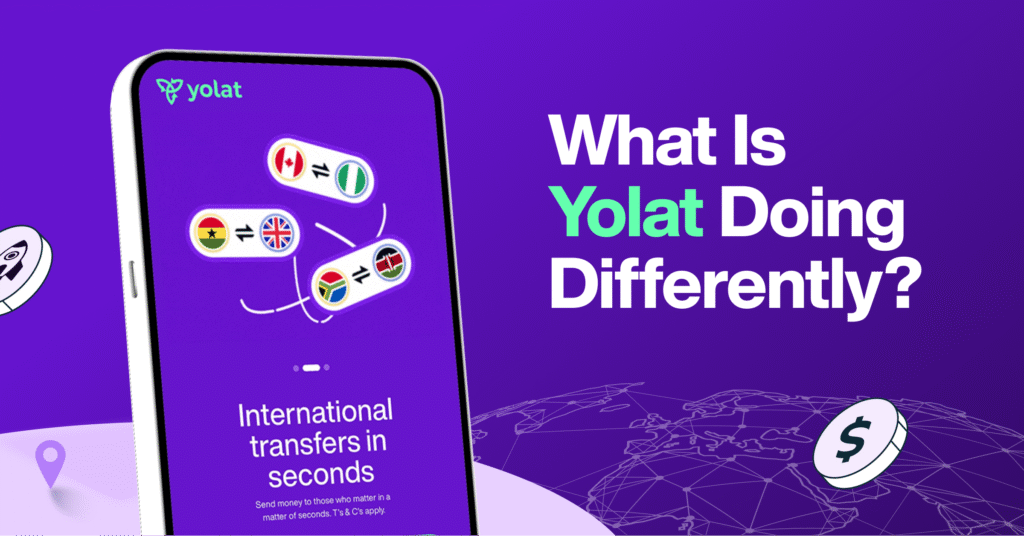
Let’s not talk like fintech marketers for a second. Let’s talk like Nigerians. When you use most apps, you’ll see:
- Low fees, but they slap you with a bad exchange rate. It’ll be way higher than what you’re expecting, which means you’ll spend more money than budgeted at the end of the day.
- Great rates, but your transfer takes three business days to land. This delay can’t be trusted during emergencies or the like.
But when you use Yolat, you get rates that make sense because we are all about transparency, and it is the cheapest way to send money to Nigeria. Also, apart from being one of the cheapest ways to send money to Nigeria, we also make sure every one of our users has the best experience.
There’s no 3-day wait for your recipient to get the money and vice versa. And we also don’t make the whole verification of account process long and draining.
The Wrap-Up
The future of remittance is local intelligence meets global tech. And that’s Yolat. So instead of testing apps that have more cons than pros, you can skip the drama and middlemen and go straight to Yolat
To get started, you can download our app on the App Store or the Play Store.
Leave a Reply