

We live in a world where you can order suya on Instagram and have it delivered to your gate before you’ve even said Jack Robinson. Okay, maybe delivery is a bit slower than this, but you get my point. In today’s world, you can schedule a car ride in advance and even track your friend’s trip in real time. It is also not uncommon to hear someone say that they haven’t been to the market or a clothing store in a while. And the dollars to naira transfers are faster than ever.
Everything now runs fully digitised, from the bukas that are now on Chowdeck to the woman selling frozen meats who now does deliveries. But somehow, Nigerian traditional banks have not yet been stung by the digital bee, and with each passing day, their services are getting slower and slower.
The irony? Money, the very thing our lives revolve around, often takes the longest to move. With the way transfers are slow, more and more Nigerians are going for less traditional forms of payment. Using traditional banks for transfers is slow, and when the transaction finally arrives, the recipient is already three “urgent 2ks” deep in panic. Nobody wants that, which is why this article was written.
So, are banks getting slower? Or are we just refusing to wait around for what should be instant?
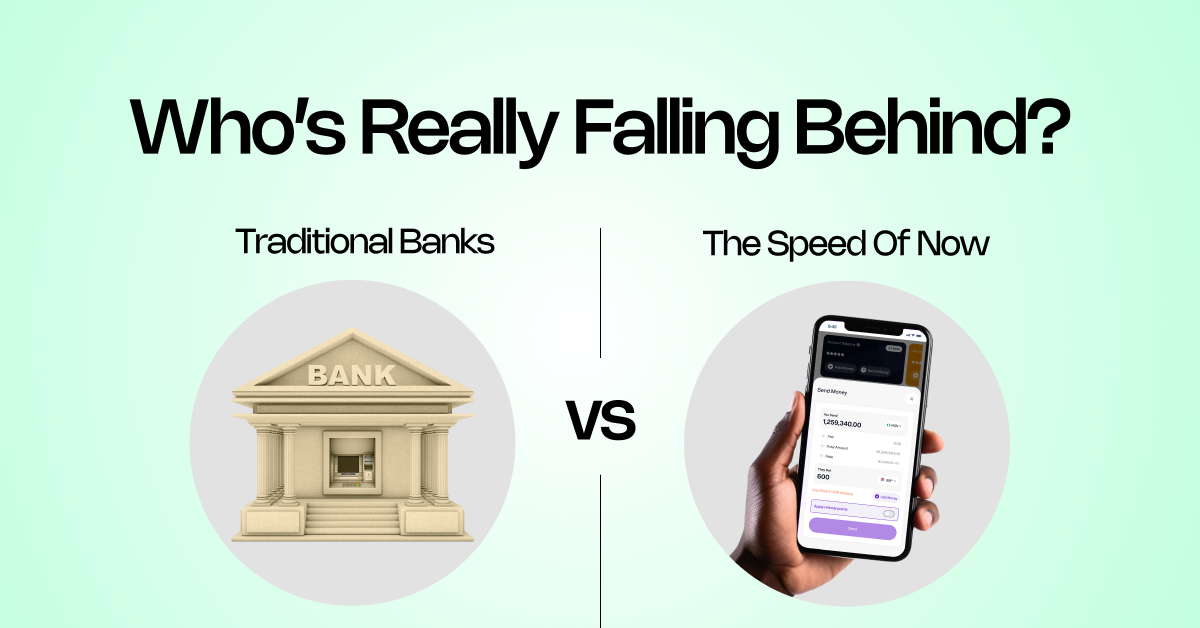
Why People Are Quietly Breaking Up With Traditional Banks
Once upon a time, which was surprisingly not too long ago, going to the bank and standing in a long queue was the only way to actually send money across countries. Basically, you walk into a bank, fill out a form and wait for a few minutes or even a couple of hours (there is rarely ever an in between) to get attended to. While you’re waiting, you are silently praying that the network doesn’t just go off, or that the recipient actually receives the money in 3 working days and not more.
For years, we tolerated it because there was no alternative. But now? People are voting with their thumbs, literally, and moving to digital-first platforms. The shift isn’t just about technology; it’s about trust. Nigerians, especially those sending money across borders, are realising that banks can no longer match the pace of their lives. Here’s why people are quietly ghosting traditional banks and heading for faster fintech options like Yolat:
- Delays feel outdated. When you can order food and track it in real time, it makes no sense for your money to disappear into a black hole of “3–5 business days.” The world has moved on, but many banks are still crawling and fighting desperately to catch up.
- Fees that don’t add up. Traditional banks often charge high transfer fees or apply hidden rates that make you wonder how your money is always disappearing. Today it might be SMS charges, and tomorrow it might be maintenance fees. Somehow, there is never any real explanation surrounding these fees. When converting from dollars to naira, even small deductions can eat into the purpose of the transfer. Given how high the dollar to naira exchange rate is, it would be best to just avoid these payments altogether.
According to a recent report, sending remittances through mobile operators costs around 4.1%, compared to 12% with banks. That margin, especially when you’re thinking in dollars to naira terms, is very, very high.
- Transparency gap. With banks, you rarely know where your money is in transit, and you are constantly left wondering without any sliver of control. Has the money gotten to the recipient? Will it arrive today, tomorrow, or never? That uncertainty feels out of place in a world where every other service updates you by the second.
- Remittance growth is taking over. In 2024, remittances to Nigeria rose nearly 9% to $20.93 billion, a vital support system for families at home. Making it easier and faster to send dollars to naira funds is more than tech; it’s stabilising homes.
What this all adds up to is a quiet but steady pull back from Nigerians who don’t want to spend all day waiting in banking halls when they can solve all of their problems using their phones.. People aren’t shouting about it, but the numbers are clear: fintechs and money apps are eating into the space once owned exclusively by banks. And it’s not hard to see why, when Yolat delivers USD to the US in under 30 minutes or converts dollars to naira without hidden drama, the contrast feels almost unfair.
Yolat’s Answer: Send Dollars to Naira in Thirty Minutes or Less
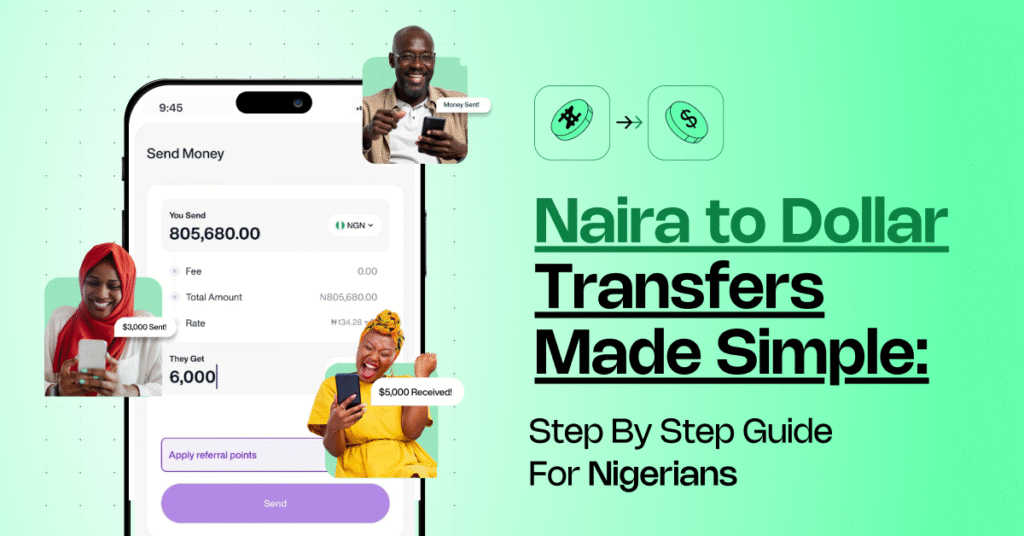
This is why Yolat feels like a breath of fresh air. With Yolat, sending money doesn’t have to be excruciatingly long. Transfers don’t stretch into business days; they arrive in 30 minutes or less.
Right now, you can:
- Send USD directly to the US, which will be delivered within minutes.
- Sending Dirham to the UAE is seamless, fast, and predictable.
Fast, swift, trustworthy and effective. This is what Yolat is all about and promises. Thinking about moving your dollars to Naira? We have the perfect app for you, and it is Yolat.
Conclusion
So maybe banks aren’t slower. Maybe we’ve just outgrown the pace they’re stuck in. We live faster now, and money has to keep up.
With Yolat, it does. We have cut off the unnecessary stages, and our mobile app is used to handle millions of transactions without the network going off or crashing. We also use advanced encryption and fraud detection systems, which simply means that your money is safe with us.
To get started, download our mobile app on the App Store and Play Store.
Leave a Reply